
by Palmetto State Auditor Staff
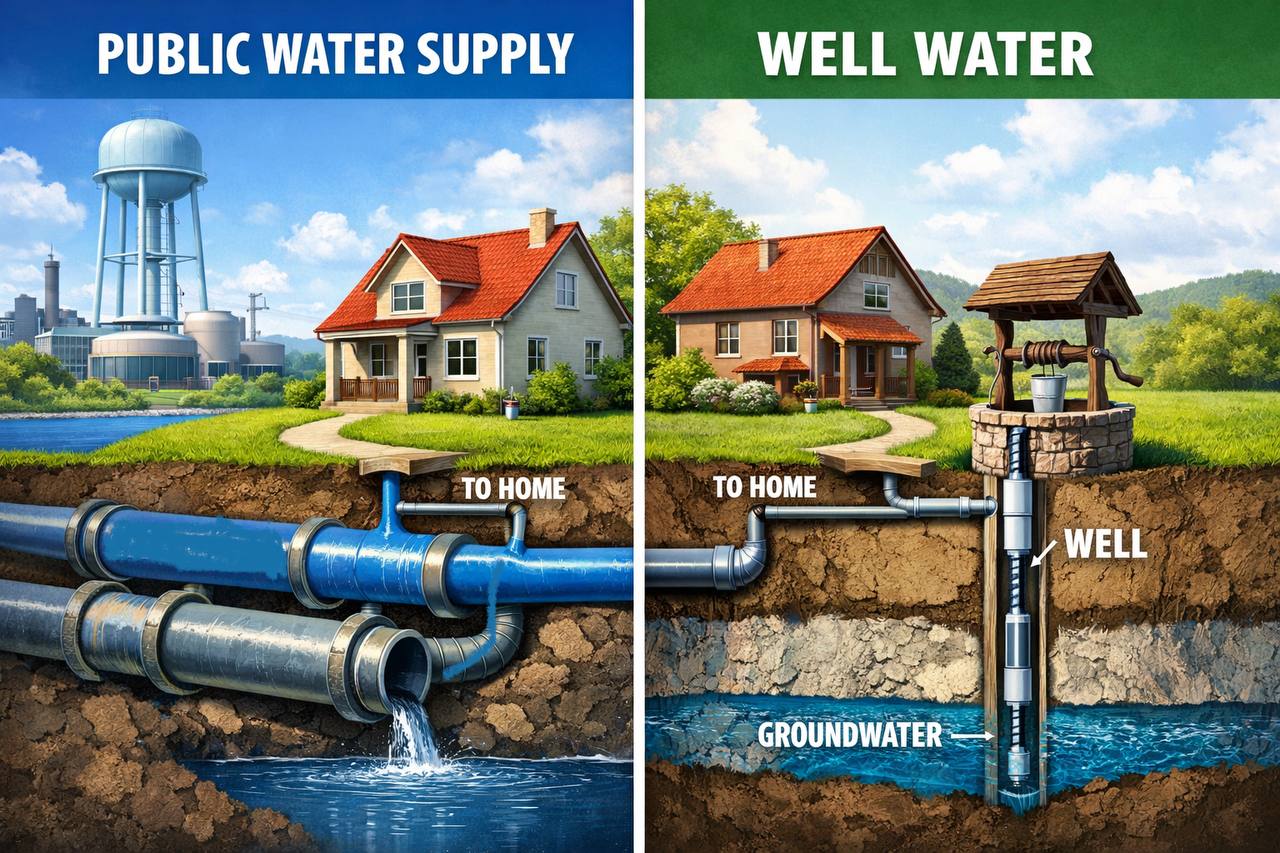
Across South Carolina, the debate over public water vs. private wells isn’t slowing down. More and more people are pressing local officials to stop and really look at what’s coming out of their taps before making any big decisions. The main message here is simple: check the facts, read the reports, and talk to your doctor before you sign up for something that might impact your health and wallet for years to come.
Doctors, Discolored Water, and Skepticism
People aren’t just worried because of online rumors or something they read on Facebook. Some have real-life stories, right from the doctor’s office, that make them think twice about switching to city water.
Take Sumter, for example. One local doctor actually told a patient to avoid moving to certain parts of town because the city’s water had high iron levels—and, apparently, iron in well water is easier to filter out. At one clinic, patients get bottled water instead of the stuff from the tap. A doctor even turned on the faucet to show just how cloudy and unappetizing the water looked, calling it “always nasty.”
It’s not just clinics. Some folks say there’s a restaurant in Summerton that flat-out refuses to serve tap water, worried about what’s in it.
Sure, these are stories. But when you hear them alongside the official water quality numbers, they start to add up.
What’s in the Reports?
Every year, public water systems have to publish something called a Consumer Confidence Report. These reports lay out what’s actually in the water. Residents who’ve read the 2024 reports for Manning, for example, found higher-than-expected levels of lead and other contaminants—some of which are tied to cancer.
Some reports even tell people to install home filters if they use city water. Others go further and warn anyone with cancer, autoimmune issues, or other serious conditions not to drink or use the water at all.
Reading old reports isn’t enough, either.
“You need to look at the latest numbers and compare them to last year,” one resident said. “That’s how you know if things are getting better or worse.”
The Well Water Trade-Off
Wells aren’t perfect. Nobody’s pretending they are. You’ve got to test the water often, and you’re on the hook for any repairs. Sometimes wells have their own issues, like too much iron, but a lot of folks say the upside is worth it.
“Well water doesn’t have the chemicals city water does,” said one longtime well owner. “No monthly bill, either. And honestly, it usually tastes better.”
Some well owners say their water has tested at zero iron for years. Others talk about wells that have run for decades—30, 40, even 50 years—without major problems.
Public Water: Easy, But at What Cost?
People who like city water talk about convenience. You don’t have to test it yourself, and you usually still have water when the power goes out.
But critics say there’s a price: chemical additives, rising rates you can’t control, and worries about lead. Once you’re hooked up, you pay whatever rate they decide, or you lose your water. That’s it.
And then, a lot of families end up buying expensive filters anyway, just to fix the taste or deal with safety concerns—a cost nobody talks about at the start.
Looking for Straight Answers
For most residents, this isn’t about scaring anyone. It’s about being honest, taking care of your health, and making an informed choice.
“Nobody’s saying public water is always bad,” one person said. “But it’s not always right for everyone, either. We just want the facts and the right to choose what works for our families.”
So, as local leaders weigh the next steps for water expansion, people are asking: Why rush when the stakes are this high—your health, your budget, your trust?
Until they see real answers and up-to-date data, a lot of folks are sticking to their guns. For now, the answer is no. And they’re not budging.
