
By PSA Newsroom Staff
A County Already Under Pressure
Marlboro County continues to grapple with long-standing challenges, from economic strain to population decline. Now, a proposed $150 million solar project has sparked a new debate—one that many residents say adds pressure to a county already stretched thin.
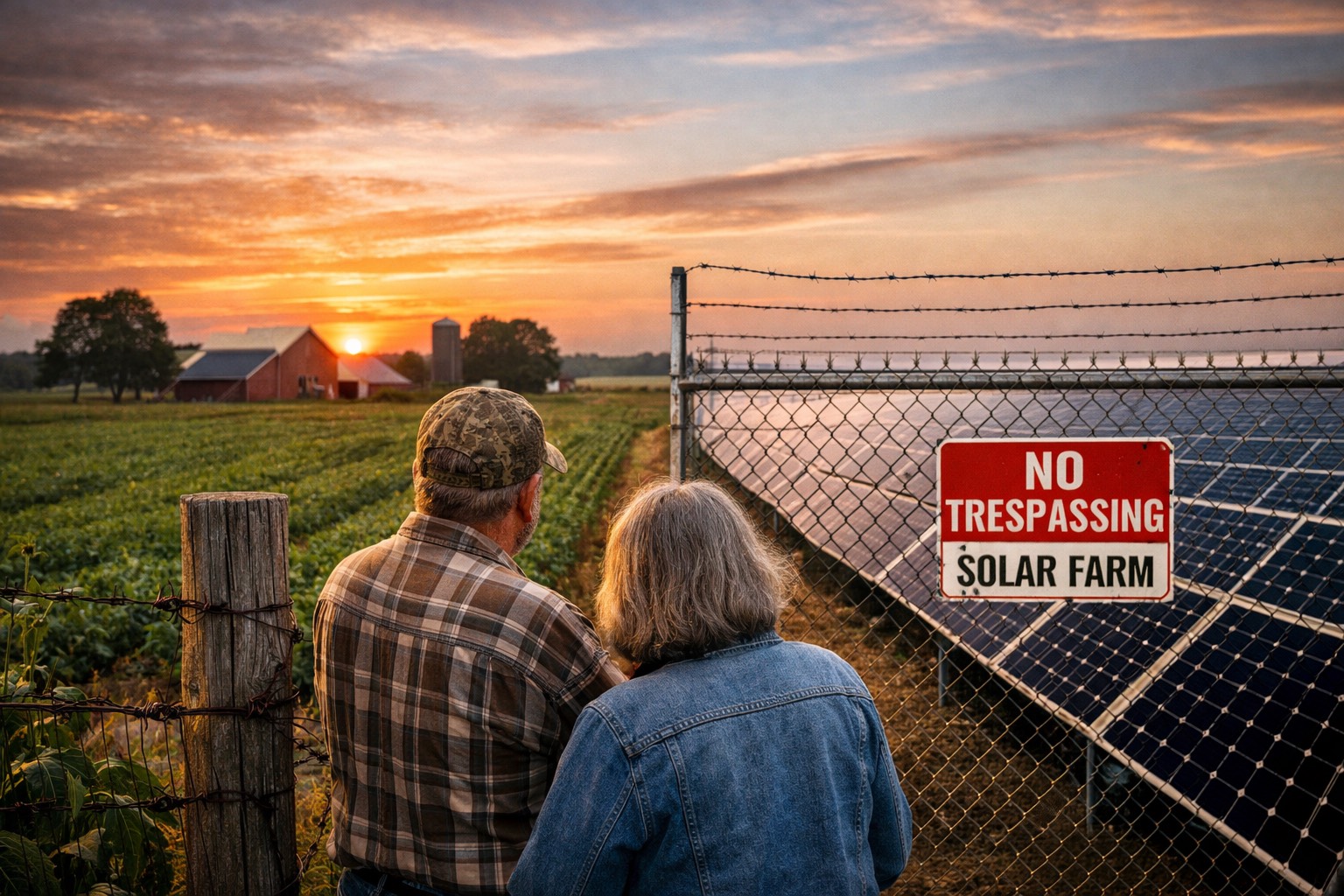
Supporters call the project progress. Critics see another example of Marlboro being asked to give up valuable resources, particularly farmland, for benefits that may not stay local.
Who Is Behind the Project
According to reporting by WPDE, the solar facility—known as the Monarch Energy solar project—is being developed by Headwater Energy, a renewable energy company. The electricity generated by the project is expected to be sold to Duke Energy Progress, not used exclusively within Marlboro County.
The project is projected to cost about $150 million, produce roughly 75 megawatts of power, and become operational around 2029.
Farmland at the Center of the Fight
For many residents, opposition centers on the loss of productive agricultural land.
“This land has fed families here for generations,” one longtime resident said. “Once it’s covered in panels, that use is gone.”
Agriculture remains a key part of Marlboro County’s identity and economy. Critics argue that removing hundreds—or potentially thousands—of acres from production weakens local farming and further erodes the county’s rural character.
Promised Benefits, Lingering Doubts
Project backers and local officials have pointed to anticipated tax revenue, estimated in reporting at around $12 million over the life of the project, as a major benefit to the county.
But skeptics question whether that revenue offsets the permanent loss of farmland or delivers meaningful economic relief.
“These projects don’t bring many long-term jobs,” another resident said. “Once construction is over, most of the money leaves with the company.”
Utility-scale solar facilities typically require only a small permanent workforce after construction, raising concerns that the economic impact may be limited.
Quality-of-Life Concerns
Beyond economics, residents living near proposed solar sites have voiced concerns about visual impact, fencing, restricted land access, and potential effects on nearby property values.
“People move here for open land and quiet,” one nearby homeowner said. “Not industrial facilities.”
Opponents stress that their concerns are not rooted in opposition to renewable energy itself, but in where and how large-scale projects are placed.
A Question of Priorities
Critics argue Marlboro County should focus on strengthening what it already has—supporting farmers,
preserving working land, and investing in development that directly benefits local residents—rather than converting farmland into energy infrastructure owned by outside companies.
“Marlboro doesn’t need another deal that looks good on paper,” one resident said. “We need solutions that actually help people who live here.”
An Unsettled Debate
As the Monarch Energy project moves through approvals and planning, the divide remains clear. Supporters
see clean energy and long-term investment. Opponents see lost farmland, limited local gain, and another irreversible decision for a struggling county.
For many residents, the question isn’t about solar power—it’s about whether Marlboro County can afford to lose more of what little it has left.
