
By Palmetto State Auditor Staff
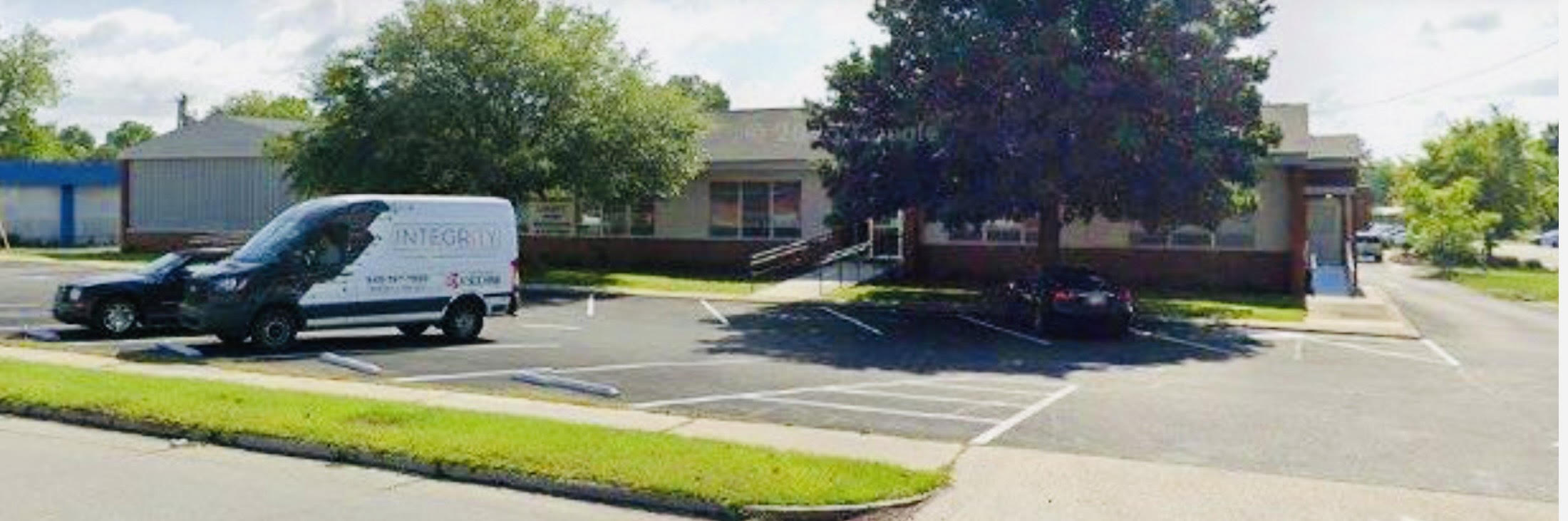
MANNING, S.C. — There’s a brick building at 3 South Church Street in Clarendon County that’s stirring up a lot of frustration. For years, it housed the county’s Health Department. Then, after decades of use, the county shut it down and put it up for sale $180K. On August 9, 2022, they sold it for $50,000. The buyer? A brand-new company called 3 South Church Street, LLC, registered to the building’s own address.
Here’s where it gets strange. The very next day, Clarendon County signed two leases with the new owner, one for the Voter Registration office, the other for the Procurement office, both still operating in the same building. Each lease runs for 20 years.
Now, taxpayers shell out almost $10,000 a month in rent which includes paying property taxes, insurance, and maintenance, even though they don’t own the place anymore.
Standard Practice, Heavy Price
When Palmetto State Auditor reporter Terrey Streath asked about the deal, then, County Administrator David Epperson said the money from the sale went into the county’s General Fund. He called the lease a “standard commercial triple-net lease.” In these deals, the tenant, here, the county, covers taxes, insurance, and maintenance, not the landlord.
Epperson tried to paint this as business as usual. Critics aren’t buying it. They say what makes sense for private businesses doesn’t always work for public property, especially when it’s taxpayer money on the line.
“This isn’t a shopping center,” one resident said. “The county sold a building, then signed up to pay everything on it for 20 years, just like renters. Only difference is, we don’t get anything back.”
So Why Sell?
Epperson’s main reason: the building needed big renovations, including environmental cleanup and some demolition. Fixing it up would’ve meant borrowing money, something county leaders wanted to avoid.
Instead, they chose what Epperson called “developer-financed.” Basically, let a private company take on the debt, while the county agrees to a long, expensive lease.
But here’s the big question: Are taxpayers now stuck paying way more in rent than the renovations would’ve cost? And how does selling a building for $50,000 turn into hundreds of thousands in guaranteed rent payments?
Red Flags Everywhere
Then there’s the matter of the buyer. The LLC that bought the building lists the same address as the property itself, which makes it tough for anyone to see who’s actually profiting.
The sale sailed through under County Council Chairman Dwight Stewart and Administrator David Epperson, both of whom have since left their jobs.
There is a buyback option in the lease after five years, but it’s not automatic. The county has to act. If they don’t, taxpayers are on the hook for two decades of rent on a building the county used to own.
What’s Left for Taxpayers
Here’s what Clarendon County did:
– Sold a public building for $50,000
– Leased it back immediately
– Locked itself into 20 years of rent
– Took on taxes, insurance, and upkeep
– Lost ownership and control
There’s no sign this helps taxpayers in the long run, but whoever bought the building gets a steady, government-backed stream of rent, little risk, all reward.
So residents are left wondering: Who actually won here? And why are taxpayers paying the price?
The Palmetto State Auditor will keep digging into county property deals like this across South Carolina, keeping the spotlight on transparency and accountability.
