
PSA Newsroom
An investigation unfolding hundreds of miles away is prompting serious questions that reach far closer to home.
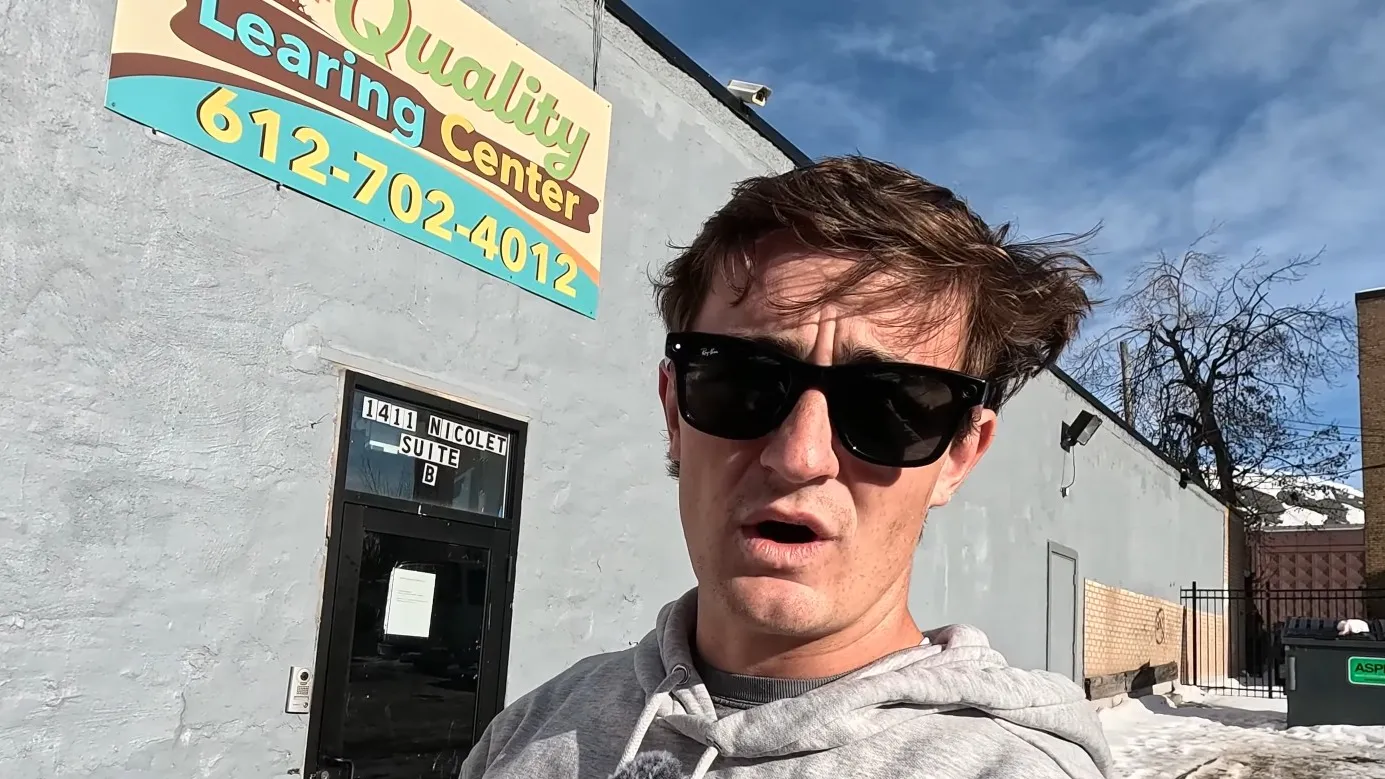
Recent reporting by independent journalist Nich Shirley has brought renewed attention to allegations of fraud and the misuse of public and donor funds tied to Somalia. While the reporting is international in scope, the issues it exposes are not confined by borders.
🚨 Here is the full 42 minutes of my crew and I exposing Minnesota fraud, this might be my most important work yet. We uncovered over $110,000,000 in ONE day. Like it and share it around like wildfire! Its time to hold these corrupt politicians and fraudsters accountable
— Nick shirley (@nickshirleyy) December 26, 2025
We ALL… pic.twitter.com/E3Penx2o7a
At the heart of Shirley’s work is a familiar problem: what happens when money intended for public benefit flows through systems with limited transparency and weak oversight. In Somalia, those vulnerabilities are often linked to political instability and fragile institutions. But the mechanisms that allow fraud to occur—unchecked authority, assumed compliance, and lack of independent verification—exist everywhere, not just in Minnesota.
Could it happen in our community?
A Pattern Seen Nationwide
Journalists and auditors who track financial misconduct frequently observe that large scandals rarely begin with obvious criminal acts. Instead, they start quietly—through inconsistent filings, vague reporting, unexplained transfers, or organizations operating without meaningful scrutiny. Over time, those gaps can widen, particularly when entities are trusted or rarely questioned.
The reporting illustrates how easily that process can unfold. Funds move, paperwork is filed, and assurances are given—yet the underlying reality may go unexamined for years.
Why Distance Doesn’t Equal Safety
It is easy to dismiss fraud cases as problems unique to developing nations or conflict zones. But history shows that fraud thrives not because of geography, but because of complacency. When oversight becomes routine, when reviews are perfunctory, or when no one asks to see supporting documentation, abuse can take root anywhere.
Public money, donated resources, and taxpayer-funded assets are all vulnerable when transparency is treated as optional rather than essential.
The Role of Journalism
Independent journalism plays a critical role in exposing these failures. Without reporters willing to follow records, ask uncomfortable questions, and challenge official narratives, many cases of fraud would remain hidden indefinitely.
As communities continue to place trust in organizations and systems designed to serve the public good, the lessons raised by independent reporting are worth considering: the real safeguard is not distance—but diligence.
