
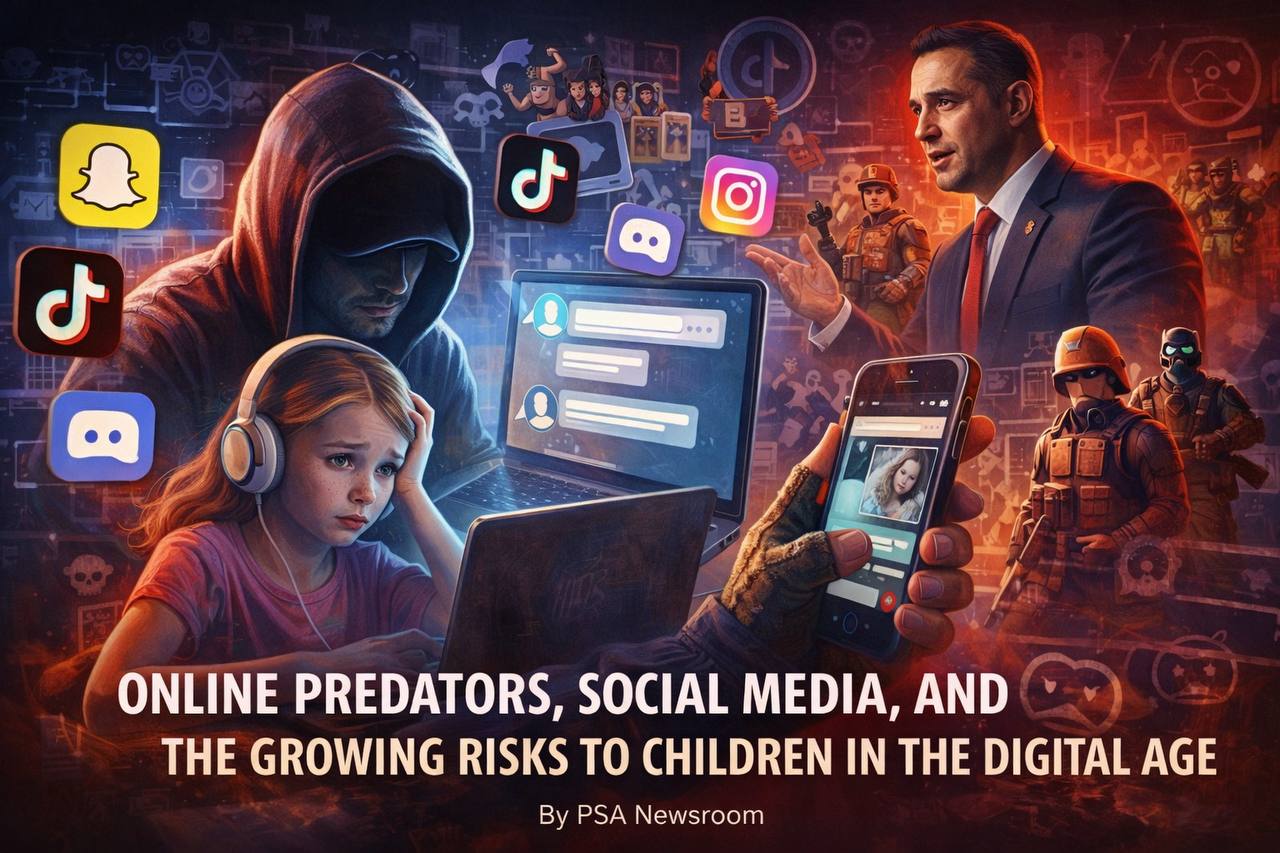
By PSA Newsroom Staff
Kids are online more than ever, and it’s making a lot of people nervous—especially law enforcement and child safety advocates. They’re warning parents to pay close attention to what their kids do online, and with good reason. Just look at the recent move by South Carolina Attorney General Alan Wilson, who joined 29 other states to back up Virginia’s new law that would make social media companies actually check users’ ages. The goal? Keep kids away from harmful content. Wilson calls the internet a “Wild West,” and he’s not wrong. Children run into everything from harassment to exploitation while tech companies mostly dodge responsibility.
Mental Health and Real-World Safety
The legal brief Wilson signed argues that the First Amendment doesn’t give social media companies a free pass when their platforms hurt kids. The numbers are hard to ignore: in the past 15 years, rates of adolescent depression have more than doubled. Anxiety, low self-esteem, and eating disorders are rising too.
Then there’s this: more than a quarter of girls aged 13 to 15 have gotten unwanted sexual advances on Instagram. That’s not just a creepy statistic, it’s a warning sign. Experts say these kinds of interactions often open the door to grooming, sextortion, and other types of abuse.
Wilson keeps coming back to the same point: laws meant to protect kids need to keep up with technology, especially now that AI and virtual worlds are everywhere.
How Online Predators Work
Predators use all sorts of tricks. They reach out through:
-
- DMS on social media
-
- In-game chats
-
- Livestreams and video calls
-
- Private group chats or servers
They’ll pretend to be another kid, gain trust, and then slowly start introducing sexual topics or requests. Sometimes, they convince kids to send explicit images, which they use for blackmail or further exploitation.
Apps and Games That Need a Closer Look
No app is completely safe, but some get flagged more often because they make it easy to connect with strangers or hide conversations. Here are a few that come up again and again:
Social Media & Messaging
-
- Snapchat
-
- TikTok
-
- Discord
-
- Telegram
-
- Kik
Games & Gaming Platforms
-
- Roblox
-
- Fortnite (especially chat features)
-
- Minecraft (public servers)
-
- Call of Duty and other shooters
-
- VRChat and other VR hangouts
These platforms let users talk with strangers, share pictures, or move chats to private spaces where parents can’t easily keep an eye on things.
What Parents Can Actually Do
Experts aren’t just sounding the alarm, they have real advice:
-
- Turn on parental controls and tighten up privacy settings
-
- Talk to your kids about online safety and grooming
-
- Check friend lists, chat logs, and how much time gets spent online
-
- Don’t allow private messaging with people your kids don’t know
-
- Encourage your kids to tell you right away if something feels off
It also helps to keep up with the latest apps and games, because predators are quick to jump to new platforms with fewer rules.
Pushing for Change
By backing Virginia’s age-verification law, Wilson and 29 other attorneys general are sending a message: social media companies need to step up and protect minors. Supporters say it’s just common sense if we have age limits for things like alcohol and tobacco, why not for online spaces where kids hang out?
There’s still a lot of debate about how far regulation should go, but one thing isn’t up for discussion: the risks kids face online are real, and they’re getting worse. Until stronger rules are in place, parents are the first and sometimes only line of defense.
