
By PSA Newsroom Staff
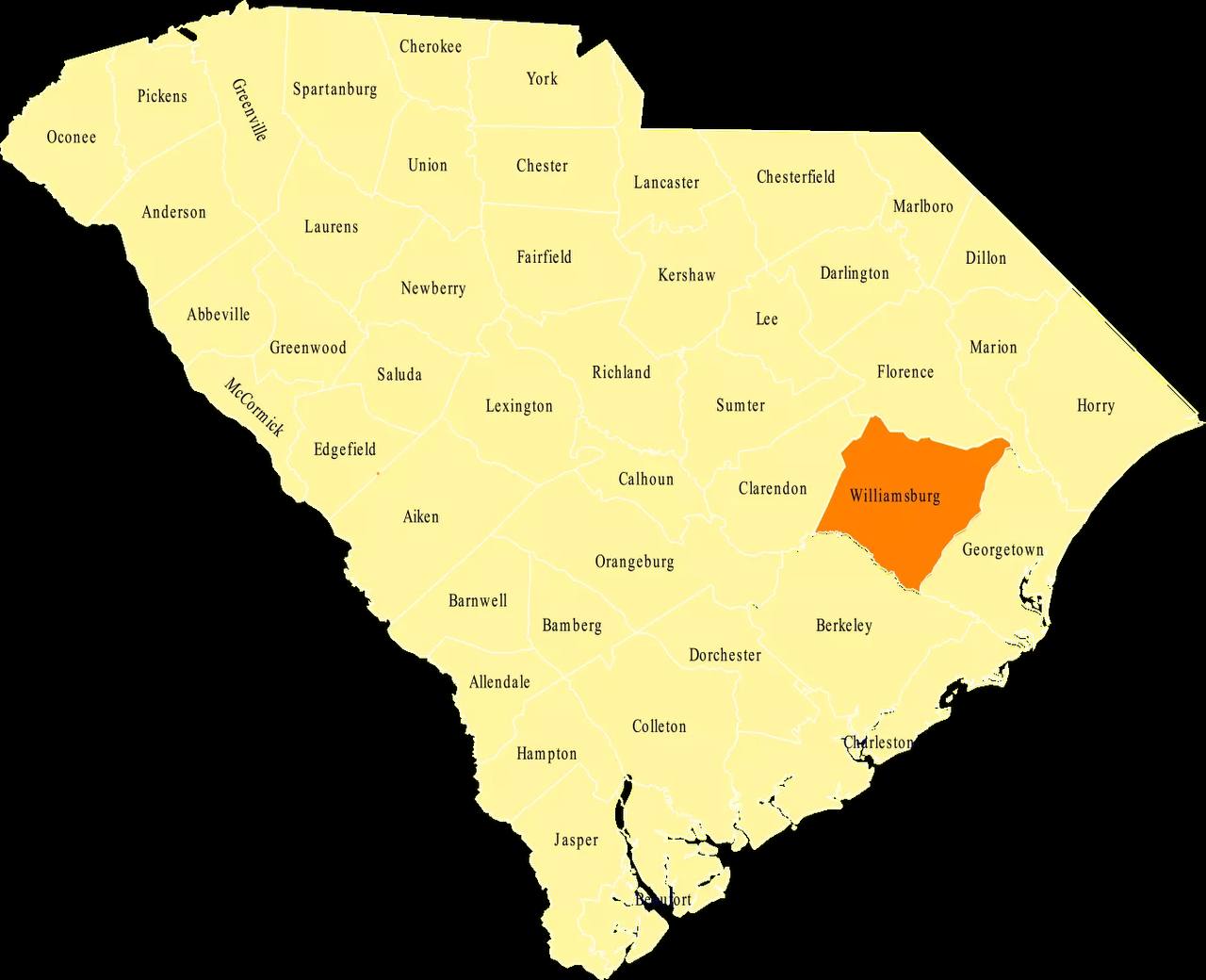
Williamsburg County S.C. – Let’s be honest, most of the decisions that shape our daily lives in South Carolina don’t happen in Washington or even in Columbia. They happen right here at home, inside our own counties. County councils decide how tax dollars get used, approve budgets, make calls about public safety, and handle things like roads, schools, utilities, and emergency services, but even with all that at stake, a lot of people still skip county government meetings.
Williamsburg County Council is just one example of how local government runs, and why it matters that people actually pay attention, no matter where they live.
How County Government Works
Williamsburg County Council is made up of elected folks from the community:
• Joseph Lee
• Torrance T. Wilson
• Randall Nesmith
• Glenn A. Keels
• Paul E. McKnight
• Samuel L. Floyd, Vice Chair
• Jackie B. Hailes
They work alongside Kelvin C. Washington, who serves as County Supervisor and Chairman, and Tammi Epps-McClary, the Clerk to Council. This team is in charge of keeping county business running and making sure everything follows South Carolina law.
Meetings happen right at the Public Service Administration Building at 201 West Main Street in Kingstree, and anyone can show up.
Keeping Things Transparent
South Carolina’s Freedom of Information Act (FOIA) says counties have to let people know when meetings are happening and give everyone access. In Williamsburg County, they put up meeting notices on the front doors of the administration building, on bulletin boards, online on their website and
Facebook page, and send them out to newspapers and county officials.
This kind of openness helps people stay in the loop and lets them keep elected officials accountable.
How You Can Get Involved
Williamsburg County Council gets together on the first Monday and the third Tuesday each month. Public hearings start at 5:45 p.m., and regular meetings kick off at 6:00 p.m. If you can’t make it in person, you can watch a live stream on the county website or social media.
Want to speak up? You’ll need to send your comments in writing to the Clerk to Council two weeks before the meeting, and the Supervisor or Chairman has to give the okay. You’ll have three minutes to talk, so it pays to be ready, and they also make sure people with disabilities can take part.
Why Bother Getting Involved?
Showing up at meetings, tuning into streams, reading agendas, and sending in comments isn’t just for show. It’s how democracy works. County councils make decisions on things like:
• How tax money gets spent
• Funding for police, fire, and emergencies
• Road and infrastructure projects
• Zoning and land use
• Approving contracts and vendors
If people aren’t watching, big decisions can sneak by until it’s too late. When residents get involved, it keeps things honest and leads to better choices for everyone.
A Blueprint for Every County
Sure, this is about Williamsburg County, but most counties in South Carolina work the same way. Whether you live out in the country or in a busy town, you have the right, and honestly, the responsibility, to know what your local officials are up to, because all government works best when people ask questions, show up, and stay involved.
What’s Next
Williamsburg County’s 2026 council meeting schedule covers the whole year, from January to December, with dates posted for everyone to see (and they might shift, so keep an eye out). PSA Newsroom urges everyone across South Carolina: check your own county’s meeting calendar, look through the agendas, and join in whenever you can.
This is where democracy actually happens, right in your backyard. And the only way your voice gets heard is if you speak up.
